What is inbound marketing?
Inbound marketing is the process of helping potential customers find your company. It tends to begin even before the customer is ready to make a purchase. However, early contact can solidify brand preferences and generate revenue. The inbound marketing strategy utilizes various forms of pull marketing, such as the following:
- Content Marketing Services;
- Blogs;
- Events;
- Search Engine Optimization (SEO);
- Social Media Optimization Services.
These marketing methods can help create brand awareness and, therefore, attract new business. Learn from the experts how to get quality inbound links for your website instantly. Inbound marketing emphasizes visibility so that potential buyers come to you. This post will let you know how to implement an inbound marketing plan step by step.
You may also like: How to Attract More Customers to Your Website?
Companies employing inbound marketing can better focus on the varied, up-to-date methods that work towards building an awareness campaign, fostering relationships, and, last but not least, helping you generate leads.
5 Steps to Plan and Implement Inbound Marketing
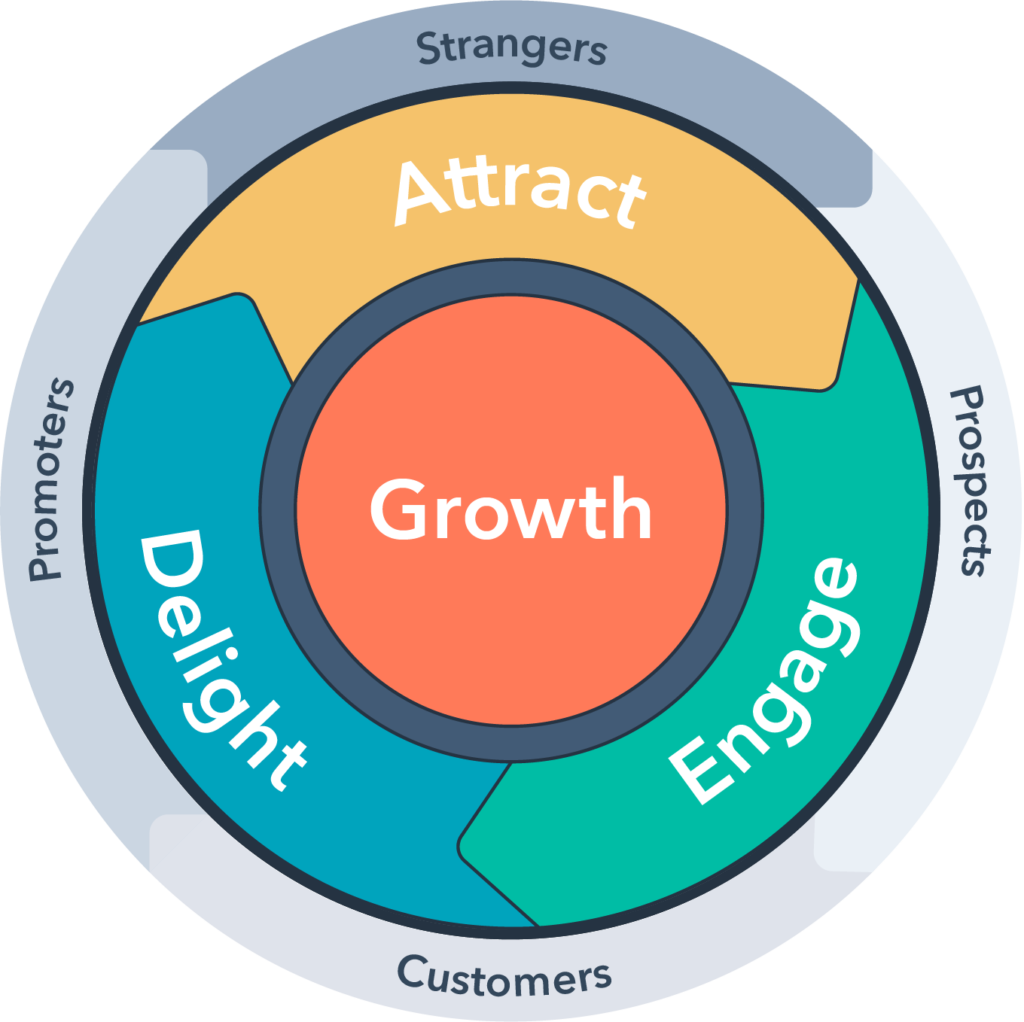 Image Credit: SubSpot
Inbound marketing methods are highly effective for attracting customers because they don’t make customers feel like they are being sold. Your potential customers will feel delighted and valued. The content produced for inbound marketing tends to be educational and entertaining; therefore, it appeals to all and sundry. If done accurately, inbound marketing offers dramatically better results as opposed to traditional marketing.
If consumers come across your company this way, it tends to substantially influence their marketing decisions and feelings towards your company. That is why you should stay abreast of content marketing strategies that can have an enormous impact.
The best feature of inbound marketing is that it generates completely organic leads. Hence, you can rely on your brain and not your budget. Creating valuable content is about creativity and intelligence. No matter how much money you throw at it, the change only comes from initiative. If you need help, let us know, and our experts will let you know how to create and execute an inbound marketing plan.
Tips for Planning, Implementing and Optimizing Your Inbound Marketing Strategy
The more you invest in inbound marketing, the better your return will be. Go through the inbound marketing implementation checklist. Read on below for some tips in planning, implementing, and optimizing your inbound marketing strategy:
1. The first step would be to define your business goals as well as your buyer personas. Identify and learn as much as possible about your target audience to write content specifically for them. You can also implement an inbound marketing plan to generate leads.
2. The second step is to provide content at every stage. You must be able to anticipate the questions your customers might have during their buying journey. Create a compelling story so your audience has a reason to listen to you. Transformational inbound marketing uses valuable content to attract and retain customers throughout the entire consumer lifecycle. It gives value to the customer before they become a customer and afterward as well. It also focuses on personalization and relevance.
3. The third step would be to choose delivery platforms. Customers come to truly appreciate valuable content, which can win them over quickly. Understand the best way to reach your target audience, such as Facebook, Twitter, Pinterest, Instagram, Blogs, etc.
4. The fourth step involves creating and executing a content calendar. A schedule is vital because it helps you churn out fresh, relevant content that continually engages your audience. Having a regular content feed that addresses your target audience’s needs and questions can help your company stay relevant and establish your brand as a trusted thought leader.
5. The last step involves analyzing your results so that you can optimize your inbound marketing program. You can choose among a range of metrics concerning measuring the performance of your inbound marketing efforts. Resources such as SEO rankings, inbound links, and the total number of articles published tend to offer valuable insights into the performance of your campaigns. It is essential to set aside time for weekly analysis to assess the effectiveness of your inbound marketing and identify areas for improvement.
You May Also Like: Word-of-Mouth Marketing Strategies to Increase Sales
A Boon in Disguise: inbound marketing
The magic of inbound marketing is that it enables customers to enjoy a degree of control over their consumption. And it can help your company connect with only those who are genuinely interested in your content. Inbound marketing offers the added benefits of social media shares, brand awareness, and search engine optimization. Go through this inbound marketing plan with examples. Some other advantages include
1. Reaching the right audience will allow you to generate quality traffic. Hence, your inbound marketing strategy should focus on reaching the right audiences to meet your digital marketing objectives. It takes away the risk of losing money on people who might not convert. You can do it by an inbound marketing plan integrated with SEO and social media.
2. Inbound marketing offers valuable and engaging content to customers even when they don’t realize they are looking for something. It doesn’t force someone into a sale; instead, it shows your brand as a valuable and reliable resource. It puts a seed in their mind that they can purchase your products or services when the need arises.
3. This marketing method allows you to diversify your strategy and protects you from relying too much on one channel. It is best to pursue quality traffic from various sources, such as organic searches, social media and other source referrals, etc. It allows you to minimize risks. Organizations need to plan the implementation of inbound marketing for long-term growth.
Related: Use of a Content Marketing Team for Startups
Takeaway: How to Implement an Inbound Marketing Plan
One essential thing to keep in mind about Inbound Marketing methods is that you need to track performance to identify problem areas and refine your strategy. Testing allows you to discover what works perfectly for your target audience regarding messaging, imagery, types of valuable content, calls to action, etc. As you move forward with your campaign, you can implement the best methods permanently. Additionally, prepare for an inbound marketing plan focused on AI-driven search.
Having a robust inbound marketing strategy in place gives your customers the perfect opportunity to engage with your brand whenever they like. You will also be able to generate qualified leads at a lower cost. Know more about inbound marketing strategy for zero-click searches too.
Day by day, data generation increases. Information abundance and attention scarcity will increasingly become issues to address. Empowered buyers will have all the buying information at their fingertips, making it easy for them to make quick, informed decisions as learned, intelligent buyers. Reading the inbound marketing strategy implementation guide will also be helpful.
Everything is on a transparent display for them, from product specifications to cost and reviews. Social media, too, has an impact on information sharing. Hence, for a shot at success in an ever-evolving landscape, creating visibility through inbound marketing is always vital.